February is American Heart Month, and heart disease continues to be the leading cause of death in the United States, responsible for roughly 1 in 5 deaths each year, according to the CDC. While exercise and sound nutrition remain foundational to cardiovascular health, research increasingly points to how daily habits — when combined — can work together to support long-term heart wellness.
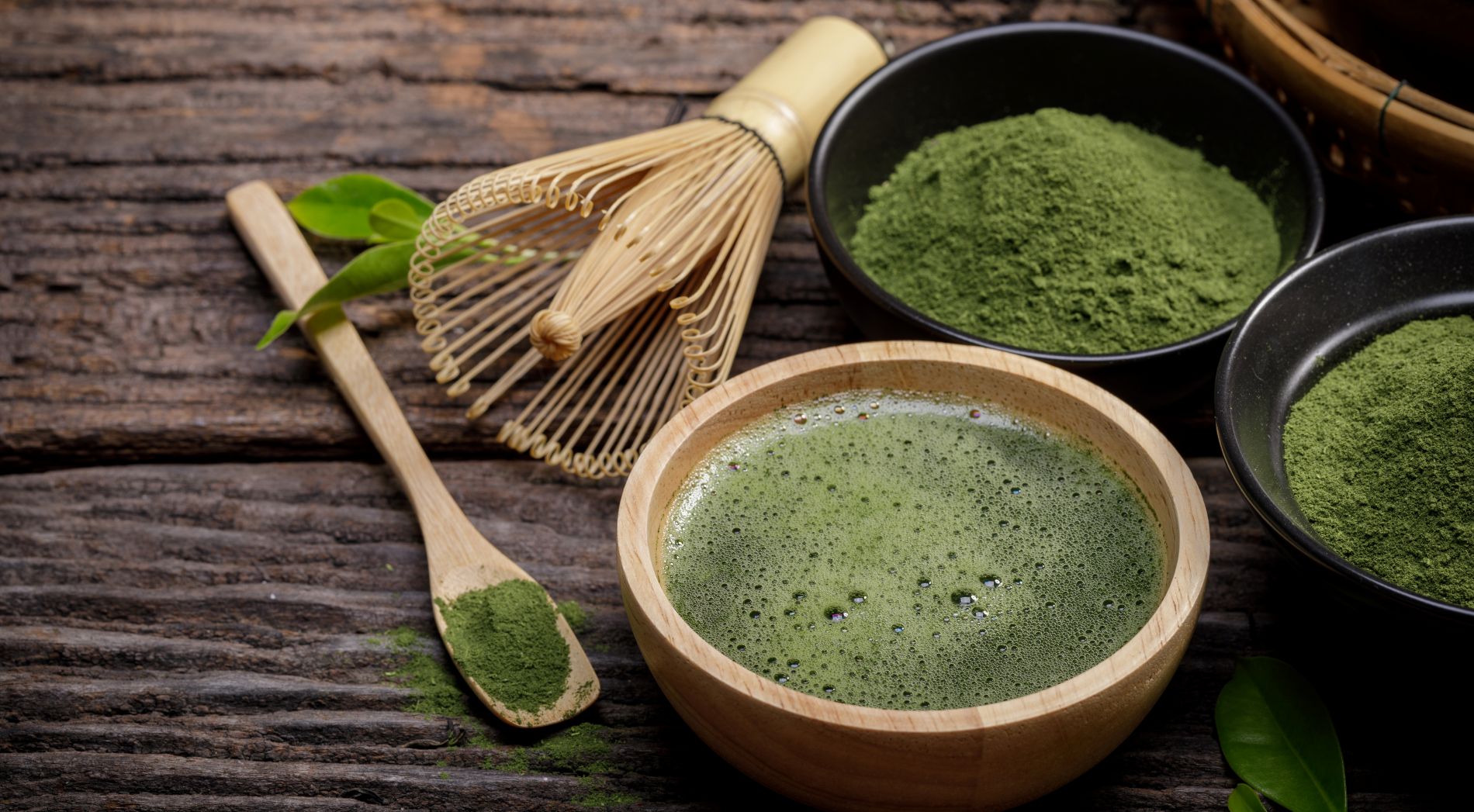
One dietary habit gaining attention is regular consumption of green tea and its concentrated form, matcha. Matcha, made from finely ground whole green tea leaves, is especially rich in catechins — antioxidant compounds studied for potential cardiovascular benefits. Scientific reviews have found that catechins exert multiple protective effects on the vascular system, including antioxidative, anti-inflammatory, and lipid-modulating actions, and they may help regulate endothelial function and nitric oxide production, key to healthy blood vessel relaxation and blood pressure regulation.
A meta-analysis of randomized controlled trials also suggests that regular green tea intake can lower total and LDL (“bad”) cholesterol levels — both important factors in cardiovascular disease risk — though results can vary by population and study design. Emerging evidence further links habitual tea consumption with modest improvements in blood pressure and slower age-related declines in HDL (“good”) cholesterol.
Dr. Andrew Weil, co-founder of the premium matcha brand Matcha Kari and a pioneer in integrative medicine, emphasizes that heart health is systemic. According to Dr. Weil, cardiovascular wellness is influenced not just by single nutrients, but by the combination of movement, stress management, sleep quality, hydration, and anti-inflammatory nutrition integrated into a daily routine. In this context, matcha fits naturally as a calm-energy ritual that people can sustain long term, complementing other heart-healthy habits.
In simple terms: physical activity strengthens the heart, and nutrition like matcha may help the body get more benefit from that movement. While matcha should not be viewed as a standalone cure, its unique profile of antioxidants offers promising support for cardiovascular health within a holistic lifestyle framework.
How Matcha Supports the Heart
Matcha may support heart health by providing powerful antioxidants (catechins like EGCG) that lower “bad” LDL cholesterol, raise “good” HDL cholesterol, reduce inflammation, improve blood pressure, and prevent artery plaque, thereby lowering the risk of heart disease, stroke, and heart attacks, though more human studies are needed to fully confirm benefits.
Key Heart Benefits from Matcha
- Lowers Cholesterol: Catechins help reduce LDL cholesterol and increase HDL, improving overall lipid profiles.
- Reduces Inflammation: Antioxidants and polyphenols in matcha combat inflammation, a key factor in cardiovascular disease.
- Manages Blood Pressure: Regular consumption may help lower elevated blood pressure.
- Prevents Plaque Buildup: Compounds in matcha can help prevent the formation of atherosclerotic plaque in arteries, supporting vascular health.
- Fights Oxidative Stress: Antioxidants detoxify free radicals, protecting artery walls from damage.
Why Matcha is Potent:
- High in Catechins: Matcha contains a higher concentration of beneficial catechins, especially EGCG, compared to steeped green tea.
- Rich in L-theanine: This amino acid works with caffeine to provide calm alertness, contributing to overall well-being.
Important Considerations:
- Quality Matters: Choose high-quality matcha to maximize antioxidant potential, as heat and poor processing can reduce benefits.
- More Research Needed: While animal and some human studies are promising, more large-scale human trials are needed to solidify all claims.
This article was created at the News Desk in collaboration with Magda Z. on behalf of Matcha Kari, who are determined to provide the best matcha possible to offer people a delicious, experiential, and healthy alternative to coffee and sugary drinks. Yes, we’ll say it, we’re a matcha made in heaven.
As with anything you read on the internet, this article should not be construed as medical advice; please talk to your doctor or primary care provider before changing your wellness routine. WHN neither agrees nor disagrees with any of the materials posted. This article is not intended to provide a medical diagnosis, recommendation, treatment, or endorsement. Additionally, it is not intended to malign any religion, ethnic group, club, organization, company, individual, or anyone or anything. These statements have not been evaluated by the Food and Drug Administration.
link
About the Author