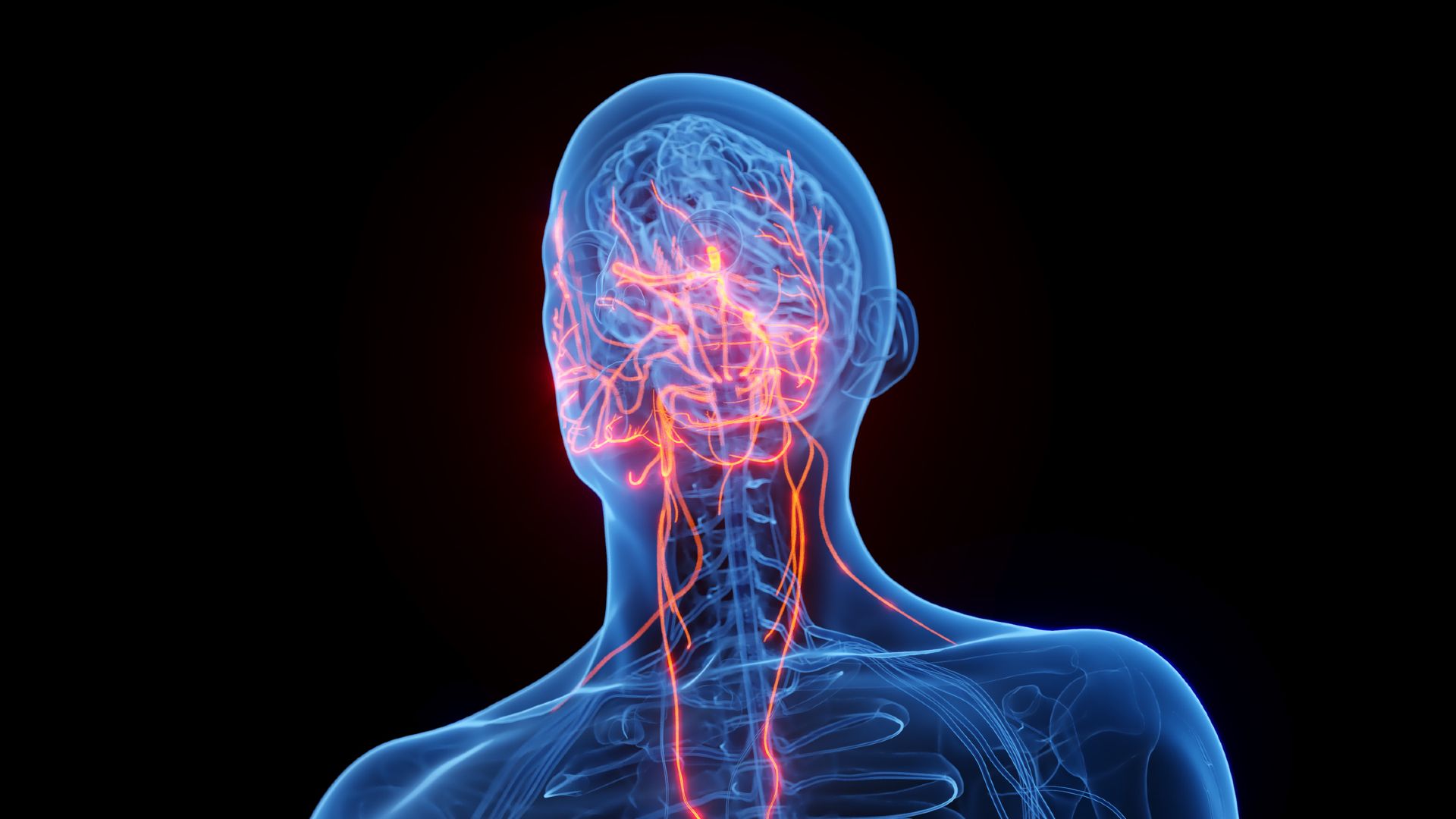
- More research is needed to understand how aerobic activity supports brain health. Potential brain health benefits include supporting memory, mental health, and executive function. It may also help lower the risk or severity of age-related cognitive impairment.
- Aerobic activities to try include jogging, swimming, dancing, and cycling. Try to start at a manageable level and build up intensity gradually. Also talk with a physical therapist or licensed coach for advice to reduce the risk of injury.
- Experts generally recommend regular aerobic and anaerobic activities for maximum benefits. Anaerobic activities can include short, high intensity activities like HIIT training, weightlifting, and sprinting.
Aerobic physical activity can have many health benefits for many body systems, such as your heart, lungs, immune system, and bones. It can also be key to supporting brain health.
Brain health benefits of aerobic activity may include:
- improving blood flow and oxygen to your brain
- supporting the growth of new nerve tissue
- reducing inflammation and oxidative stress
- contributing to good hormonal balance
In many cases, more research is needed to confirm how exactly these effects improve brain function. Below are some examples of potential brain health benefits, according to research so far.
A 2021 analysis of nine previous studies concluded that aerobic physical activity may help improve memory in adults who were previously sedentary, having little to no physical activity.
The studies measured memory with a range of tasks, including asking participants to recall words, short stories, or sequences of numbers, and testing spatial memory.
Better executive function
Executive function describes skills such as planning, organization, and problem-solving. It also includes attention and memory.
The same 2021 analysis as above also reported that participants experienced a small but significant improvement in executive function due to aerobic activity.
A small 2019 study that asked participants to do 30 minutes of aerobic exercise reported that executive function scores significantly increased afterward. Aerobic exercise may also have led to a small but insignificant improvement in attention.
Lower risk of cognitive impairment
A 2023 research review suggests that regular aerobic activity could help to prevent or lower the risk of mild cognitive impairment in older adults. However, the researchers noted that more studies are needed to confirm these benefits.
A 2025 research review also reported that moderate intensity aerobic activity may improve cognitive function, mood regulation, and well-being in older adults.
A 2025 analysis of 26 previous studies suggests that aerobic activity helped improve symptoms of depression and anxiety.
A 2021 analysis of 15 studies also reported that aerobic physical activity helped improve mental health in adults ages 60 or older — even at a low intensity.
Aerobic exercise vs. other exercise
Aerobic exercise or “cardio” is continuous, steady physical activity that requires your body to use oxygen for energy. It differs from anaerobic exercise, which involves short, intense bursts of activity that require your body to break down glucose (sugar) as energy.
While aerobic physical activity may have many brain health benefits, other types of physical activity may do too. Many studies indicate that benefits may also increase when combining different activity types.
Try to incorporate a mix of aerobic and anaerobic in your daily life.
Examples of aerobic exercise to try
Examples of aerobic physical activities include:
- gardening tasks, such as digging
- walking and hiking
- stair climbing
- jogging or running
- swimming and water aerobics
- cycling
- skateboarding or rollerblading
- jumping rope
- dancing
- many sports, such as tennis, soccer, and basketball
Aerobic activities can be light, moderate, or vigorous in intensity:
- Light intensity activities are common daily activities or tasks that don’t require as much effort, such as gentle walking.
- Moderate intensity activities cause a noticeable rise in your heart and breathing rates, and generally mean you can talk but cannot sing. People doing moderate intensity activity may rate it at about a 5 or 6 out of 10 for intensity.
- Vigorous or high intensity activities work your heart, lungs, and muscles even harder. Someone doing vigorous activity may rate it 7 or higher out of 10.
Generally, an activity’s intensity level links to how much effort you have put in, rather than just the type of activity. Intensity can vary per person for the same task. For example, someone with less experience exercising may describe dancing as vigorous, while someone with more experience may describe dancing as light.
According to the National Heart, Lung, and Blood Institute (NHLBI), moderate and vigorous intensity activity is generally better for your heart than light activity. However, light activity is much better than none at all and may still lead to decreases in chronic diseases.
How to incorporate aerobic exercise
The following advice may help you incorporate aerobic activity more safely and effectively:
- Build up gradually: If you don’t have experience doing a certain activity, or don’t have a history of being very active, make sure to build up the intensity gradually. Start out with light, manageable aerobic activities, and gradually increase intensity, frequency, and duration.
- Always warm up and cool down: Warming up properly with dynamic stretches can lower the chances of injury. To cool down after activity, try static stretches.
- Consider working with a professional: Licensed physical therapists, coaches, and personal trainers can help you learn proper technique to avoid injury.
- Include muscle-building activities: Strengthening activities are also key to health. Aim to incorporate muscle-strengthening activities for all major muscle groups
at least twice a week .
Trusted Source
PubMed Central
Highly respected database from the National Institutes of Health
Go to source
- Enjoy it: Doing activities that you find enjoyable may help you stay consistent. If you haven’t found any aerobic exercise you enjoy yet, make sure to try out different options.
- Rest enough: Resting your body is an important part of staying safe while physically active, especially if you are doing moderate to vigorous activities.
If you notice any new, persistent, or concerning symptoms like pain, make sure to rest and talk with a doctor before continuing. If you have a mild injury limited to one body area, you may be able to continue with other activities, but check with a medical professional first.
How much aerobic activity should I do to support brain health?
More research is needed to confirm what duration, frequency, and intensity of aerobic activity is enough to get brain health benefits.
However, generally, the
Trusted Source
PubMed Central
Highly respected database from the National Institutes of Health
Go to source
and
Trusted Source
Centers for Disease Control and Prevention (CDC)
Governmental authority
Go to source
recommend that most adults get at least:
- 150 to 300 minutes of moderate intensity activity each week, or:
- 75 to 150 minutes of vigorous intensity activity each week
However, more activity than this, or an equivalent combination of moderate and vigorous activity, may also have benefits.
More studies are needed to confirm exactly how aerobic physical activity supports brain health. According to research so far, aerobic physical activity can have potential benefits like improving mental health, memory, and cognitive function.
Aerobic exercises to consider incorporating include walking, jogging, cycling, and swimming. Other examples include team sports, dancing, and stair climbing.
Talk with a doctor if you have any questions about aerobic activity or brain health. Also talk with a doctor if you have an underlying health condition and are considering making significant changes to your exercise habits, including increasing intensity.
link
About the Author

:max_bytes(150000):strip_icc()/GettyImages-1644727881-73ef3c9679a6447faafc74eb0ff22f1e.jpg "6 Fish That Offer the Most Benefits for Your Heart and Brain")