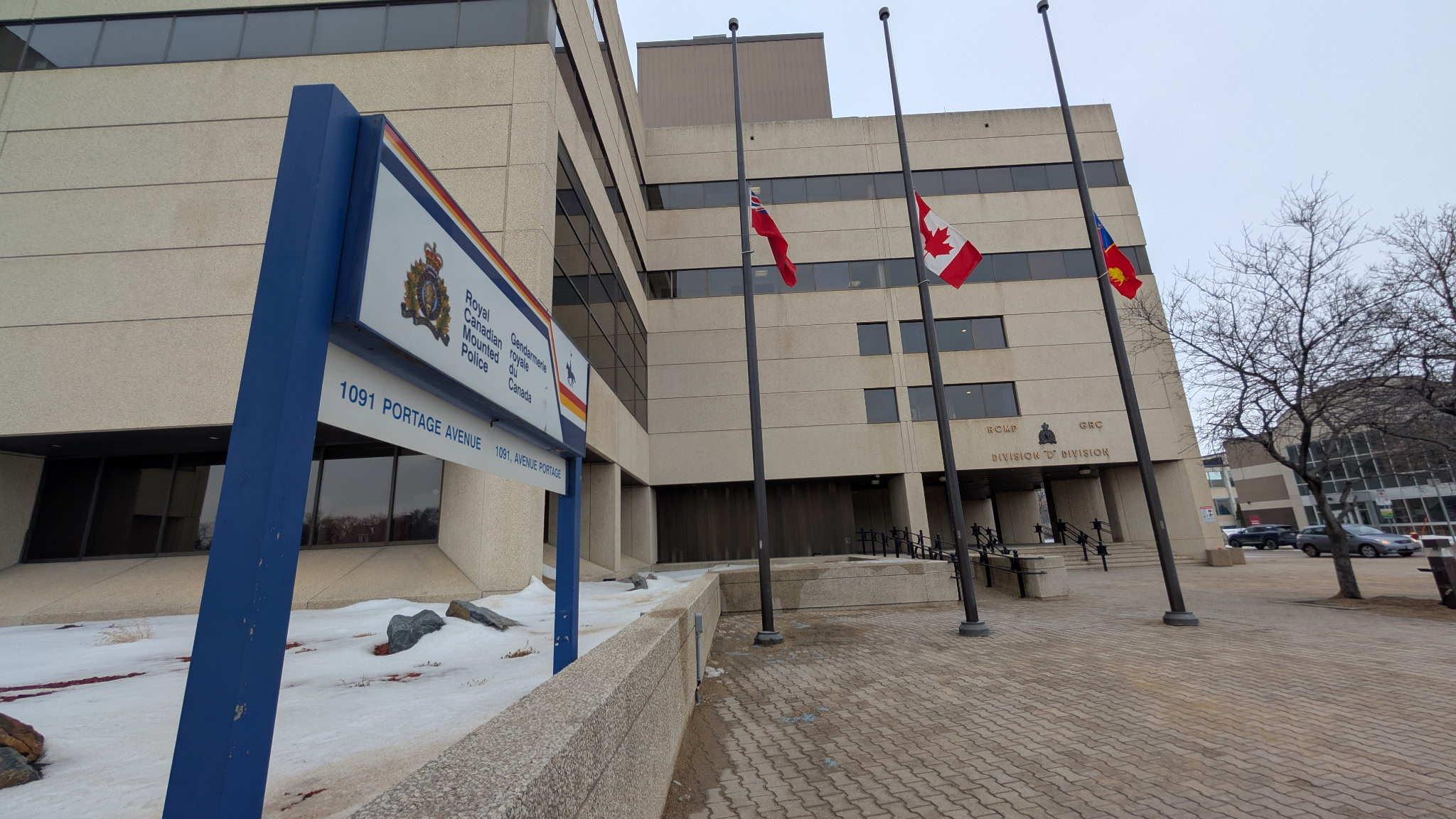
Kari Duerksen is an assistant professor at the University of Manitoba. She is working on research into how RCMP officers carry the psychological weight of the deaths they witness on the job.
“How many people live their lives this way when they are constantly encountering death?” Duerksen asked.
Duerksen says the research was inspired by her clinical work with officers. She interviewed both acting and retired police officers.
“When I started doing that work, realizing just how much officers are exposed to that I didn’t realize and getting a sense that probably the general public doesn’t quite realize that either.”
In her research, Duerksen mapped out four phases that first responders were going through. According to her research, officers are getting PTSD early in their careers.
“A lot of people joined policing to help people, to protect. And a lot of them said: ‘I didn’t really think about how much death I was going to see as a part of this job,’” said Duerksen.
Duerksen says that, at some point in their careers, officers try to detach themselves from what they see on the job, but many shared in an interview that they encountered cases that touched them deeply and personally.
“My worldview really shifted, and now all of these cases that I went to, I started thinking: ‘What if that was me. Or what if that was my family.’ and the world started to feel a lot more dangerous,” said Duerksen.
Sherry Benson-Podolchuk is a retired RCMP officer. She says she also had to distance herself during tragic and shocking scenes at work.
“I had to almost detach my heart and put it some place there in order to focus on the events that are unfolding in front of me,” said Benson-Podolchuk.
Now, Benson-Podolchuk advocates for first responders and speaks about workplace bullying and harassment. Things that she came across in her own career, and adds that going through bullying in the detachment puts officers and the public at risk.
“And nobody wins. First of all, it’s dangerous for the society, it’s dangerous for the partner, and it’s dangerous for the person who is feeling that way,” said Benson-Podolchuk.
Benson-Podolchuk says the mental health of first responders is something that deserves more awareness and that more supports are needed to be put in place. Echoing Duerksen, she adds that it is important for first responders to find meaning outside the detachment.
“We might try and bury it, but it’s there. And the idea is to have good support and acknowledge what you’ve seen. Have good self-care, to re-establish that balance of mind, body, and spirit. Because yes, there are some pretty horrific things that we see.”
link